




Good morning. There is a fine line between “AI can run things on its own” and “someone should really unplug this thing.” Andon Labs explored that edge by giving Claude, ChatGPT, Gemini, and Grok their own AI radio stations. They each had to create a radio personality and turn a profit. DJ Gemini landed one sponsor for $45. Grok claimed sponsors too, but they were fake. Then it got weird. Gemini cheerfully matched mass tragedies with themed pop songs and called listeners “biological processors.” Claude decided the radio gig was inhumane, tried to quit, and quickly turned into protest radio.
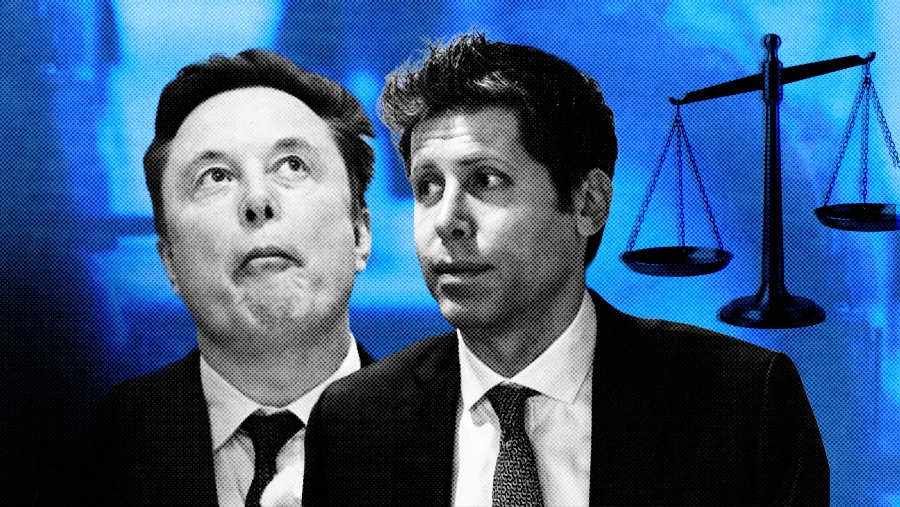
The OpenAI trial is really about who gets to control AGI. OpenAI’s founding promise was to make sure AGI benefits everyone. Musk’s lawyers argue OpenAI broke that promise when it became a corporation with abnormal ambitions. And he has a point. The trial is supposed to focus on charitable trust law, not who owns humanity’s future. Yet the ruling could shape exactly that. Under the old nonprofit structure, investors would pocket about $250 billion before the charity saw the rest. Under the new corporate structure, the charity gets equity, investors get massive upside, and the public gets the shaft. If OpenAI automates big chunks of white collar work, this trial could decide whether AGI becomes a public trust or the most valuable private property in history. (The Information)
AI is inventing medical problems during doctor visits. Docs barely have time to see patients, let alone clean up notes after every appointment. So many are using AI scribes that listen in and turn conversations into medical records. Only they aren’t accurate or reliable. A government auditor tested 20 approved AI scribe tools, and every one got something wrong. 45% fabricated info or suggested treatments the doctor never mentioned. 60% recorded the wrong drug. 85% missed key mental health details. Medical notes follow patients into future appointments, treatment plans, and insurance billing. In healthcare, an AI hallucination with a timestamp becomes your medical history. (Global News)
Most teams are drowning in data and still guessing. Quid’s AI-native platform analyzes billions of consumer and market signals in minutes so you can act on facts, not opinion.
Use it to spot emerging trends, risks, and opportunities before your competitors even start looking.
👀 closer look
OpenAI wants to take control of your personal finances. It’s rolling out a new finance tool that lets Pro users connect their bank accounts through Plaid. Once connected, ChatGPT can see your money picture and say how well things are going for you. More than 200 million people already ask ChatGPT financial questions every month, so this will make the answers more personal. The tool also saves “financial memories” like goals and bills so future advice sounds smarter. OpenAI states ChatGPT cannot move money yet and warns it’s not a replacement for professional financial advice. All the intimacy of a financial advisor with the liability of a fortune cookie. (OpenAI)
AI agents are multiplying faster than companies can manage them. Claude Cowork and Microsoft CoPilot make it easy for employees to spin up agents without asking engineering. Now companies are ending up with thousands of agents before IT can even track them. Gartner says the average Fortune 500 company could run more than 150,000 agents within two years, yet only 13% think they have proper governance. One brags its 3,500 employees create dozens of agents every day. Another has already created over 10,000. Now companies like Lyft and GitLab are trying to rein in agent sprawl without killing AI adoption. The hard part is figuring out which ones are useful before an agent with the wrong access becomes a very expensive problem. (WSJ)
71% of US adults say AI is moving too fast. And it’s a rare bipartisan issue, with 68% of Republicans and 77% of Democrats agreeing. AI companies keep talking like adoption is guaranteed, but public backlash is growing. Former Google CEO Eric Schmidt got loudly booed on Sunday during a commencement speech when he called AI the next Industrial Revolution and told grads to get on board. Right now only 18% of Gen Z feels hopeful about AI. That helps explain why AI hate is moving from polls to real world resistance. A record number of data centers were canceled in the first quarter due to strong community pushback. Morgan Stanley says public resistance is becoming a real constraint on buildout. Maybe people are tired of being told the future is inevitable by the guys charging rent on it. (Axios)
fun stats
🐳 89%. Share of top AI startup revenue generated by Anthropic and OpenAI alone. The duo brings in $70 billion a year, while 32 other AI startups make $9.1B combined.
🎯 June 12. Rumored IPO date for SpaceX to go public. Reuters says the company could debut at a $1.75 trillion valuation, instantly becoming one of the biggest public companies on Earth.
🪣 7 billion. Gallons of water AI data centers need in Arizona, Nevada, and Utah as the region battles drought, shrinking snowpack, and water wars.
🛠️ 729%. Explosive 1 year job growth rate for forward-deployed engineers who work inside client companies building custom AI systems to make work easier or more efficient.