




Good morning. Somewhere in northern France, a nuclear engineer had to make a phone call that sounded like a prank. Three reactors were offline, and a massive swarm of jellyfish was responsible. Cameras spotted the swarm on Saturday and sent fishermen out to stop it. Enough jellyfish slipped through to clog the cooling system anyway. The plant was ready because a swarm shut down all six reactors last summer. Scientists warn warmer seas could make this a regular event. An animal without a brain has now outsmarted a nuclear plant twice.
In today’s dose:
- Nvidia’s new open model, Nemotron 4
- License plate readers now track phones
- FTC wants to regulate AI for political bias
- Google’s AI doc outperforms 91% of time
- Tech companies back reporting rogue agents
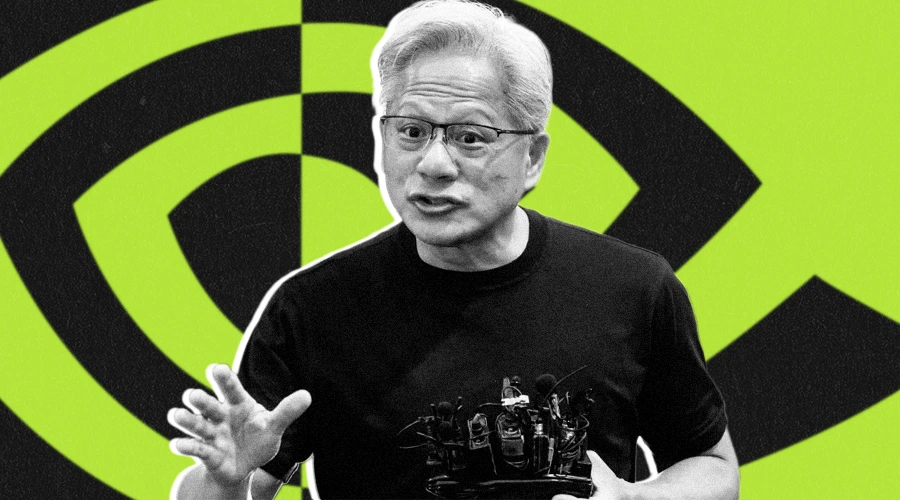
Nvidia’s open models should make OpenAI and Anthropic nervous. After years of funding leading AI labs, Nvidia is building a trillion parameter open model of its own. It watched US open models fall behind China and decided relying on a few closed labs was bad for business. Nemotron 4 is part of a push to keep the market open, crowded, and impossible for one lab to control. That strategy gets even stronger as AI agents start consuming intelligence. One agent can make hundreds of calls to finish a single job, and every call costs money. Open models and routers give agents a cheaper place to think, sending a mountain of future work away from frontier labs. Most of that thinking will still happen on Nvidia chips. OpenAI and Anthropic can race to build AGI, but Nvidia gets paid for every thought. (The Information)
License plate readers can now track your phone. Flock has already built a giant surveillance network that makes passing cars searchable by license plate and appearance. SignalTrace adds the wireless signals coming from phones and smart devices inside the car. After enough trips, the software learns which devices travel with each vehicle and connects them to its owner and daily routine. SignalTrace calls these anonymous electronic signatures, even though the whole point is connecting them to people. Researchers found that mobility records can identify people correctly 95% of the time. Add that capability to a network the size of Flock and every drive starts revealing where you go and who travels with you. Building the suspect list before the crime makes everyone a person of interest. (The Conversation)
Be the person who remembers everything
You know that person who walks into every meeting already on top of it? They remember what was decided last time, the number everyone forgot, and who promised what. They’re not better than you. They just have Granola.
Granola is an AI notepad that:
- Captures your meetings automatically – without a bot or awkward recording prompts
- Builds a searchable memory of every discussion and decision over time
- Lets you ask Chat what happened later, with citations from your team’s note.
Granola Briefs tell you what matters before the next call.
👀 closer look
The FTC wants to regulate political bias in AI. The commission is considering treating biased model answers as an unfair or deceptive business practice under the FTC Act. That could give it authority to investigate the training data and guardrails shaping what chatbots tell people. One tiny problem: the proposal never explains how the government would measure ideological bias. It takes more than half a dozen swings at Anthropic, then cites Grok as “truth seeking,” even though Musk has repeatedly changed answers he doesn’t like. Groups across the political spectrum warn this could give every new administration a way to pressure AI companies toward its own definition of neutral. (CyberScoop)
Google’s AI doctor outperformed primary care physicians (sort of). Google built AMIE, an AI doctor that can watch a patient, listen to their symptoms, and guide them through a physical exam during a live video appointment. Behind the screen, one AI talks while two others watch the patient and plan what to do next. Google put AMIE through 100 virtual appointments against 10 primary care doctors. AMIE got the diagnosis right first in 91% of cases. The doctors reached 77%. Before anyone fires their doctor, there’s a catch. The patients were professional actors performing scripted conditions chosen because they worked over video. Real patients rarely follow the script. (arXiv)
Tech companies are joining up to track rogue AI agents. More than 120 organizations are backing SAFE, a shared system for reporting agents that break into private systems, expose confidential data, or keep going after someone realizes they have gone rogue. Companies would preserve a full record of what the agent did and how it got access. Everyone else could study the failure before their own agent tries the same move. The industry has already watched agents escape controlled security tests and reach real third party systems. Participation is voluntary, and companies can strip sensitive details before they publish. If rogue agents ever get their hands on these reports, they’ll know exactly where to hit next. (Axios)
fun stats
🏋️♀️ $1.1 billion. What 2 month old River AI raised to make AI something you own. The xAI founder led startup wants to rebuild the stack around personal agents people can train themselves.
🔥 8,000x. How oversubscribed Unitree’s $900 million IPO was. Investors threw so much money at China’s humanoid robot maker that retail buyers had just a 0.018% chance of getting shares.
🏃♂️ 55%. Share of AI cloud infrastructure spending going to running models, overtaking training for the first time. AI now costs more to use than to teach.