



Good morning. Next time you’re at the drive through, politely ask for a combo meal and all the cash in the register. A fast food worker will roll their eyes, but an AI might just say yes. That’s because AI agents are incredibly vulnerable to prompt injection attacks. Without human context or judgment, even simple phrases like “ignore previous instructions” trick them into bypassing safety rules. They just follow orders literally, which makes them absurdly easy targets for manipulation.
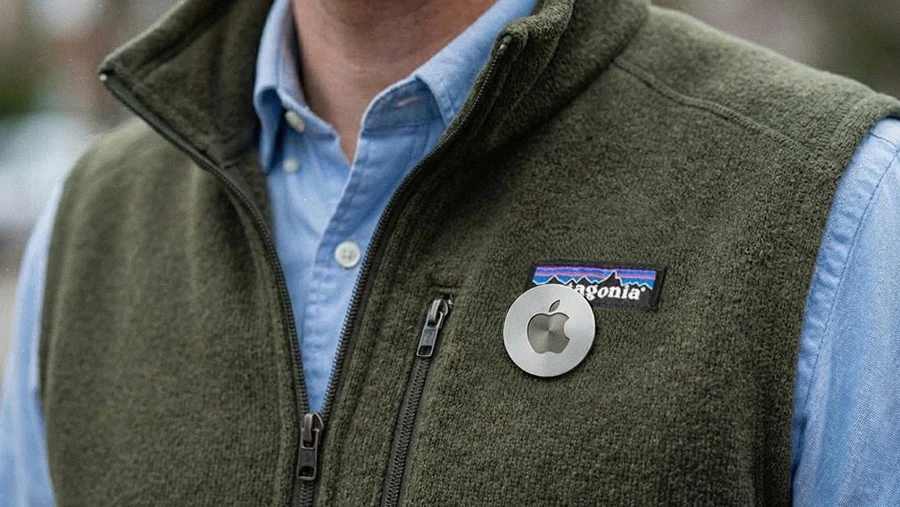
Apple just leaked its plan for an AI wearable pin. Clearly they’re feeling insecure about whatever Jony Ive is cooking up at OpenAI (probably airpods). The new device is about the size of an AirTag, packed with cameras, microphones, a speaker, wireless charging, and zero screens. Considering people’s screen addiction, switching to Google’s new Siri chatbot is a bold move. Apple plans to crank out 20 million AI pins by 2027, hoping to dodge the fate of the Humane pin. Who wants to bet it’ll look like a Star Trek communicator? Hey Siri, beam me up 🖖 (The Information)
To scale fast, you need compliance. By investing in compliance early, you protect sensitive data and prove credibility – ensuring long term trust and security.
Vanta helps companies of all sizes achieve compliance quickly and painlessly by automating 35+ frameworks, including SOC 2, ISO 27001, and HIPAA.
Startups like Ramp and Cursor spend 82% less time on audits with Vanta. Take the first step to building trust with this free collection of resources.
Top AI researchers from the US and China are secretly working together. At NeurIPS, the world’s prestigious AI conference, the field’s biggest names show up to unveil the research they swear will shape the future. An analysis of 5,000 conference papers found American and Chinese labs collaborating on research. Then it got messier. Some researchers were caught using fake citations generated by AI. Not fringe amateurs. Peer-reviewed experts blindly trusting AI references without checking if they even existed. Awkward. (Wired, TechCrunch)
An xAI engineer spilled company secrets and immediately got fired. On a podcast, Sulaiman Ghori explained how Musk built Colossus in just 122 days. Instead of buying the land, xAI signed an ultra short term lease to quickly get approvals. So the data center sits on land they don’t even own. Even more absurdly, Musk got temporary carnival permits meant for Ferris wheels to speed up construction. Sounds ridiculous, but also brilliant. Don’t be surprised if Silicon Valley starts treating cotton candy permits like a data center playbook. (Gizmodo)
America’s AI boom is accelerating climate change. But it doesn’t have to. New analysis shows data centers running millions of chatbots will soon spike electricity demand by up to 80%, pushing emissions nearly 30% higher in just a decade. Washington’s genius plan? Sabotage solar, kill wind incentives, and shovel extra coal into the fire. Big Tech promised bold climate leadership, yet their strongest response so far has been… silence. Meanwhile, the fix is almost embarrassingly easy. Restoring renewable tax credits could erase that emissions spike and even cut electricity bills. It won’t solve everything, but hey, it’s a good start. (Wired)
“Stupid people buy wind farms.” That’s Trump’s hot take as he offers Silicon Valley an unprecedented deal. Build your own nuclear power plants to fuel AI, and he’ll personally rubber stamp them in 3 weeks flat. Never mind that actually constructing reactors takes years. Trump’s ready to green light nuclear approvals faster than your startup can close a seed round. (Fortune)
fun stats
📚 57. Pages in Anthropic’s new Claude “Constitution” spelling out values and behaviors for the model, including to be helpful, honest, and not destroy humanity.
🔬 245. Proposals by research teams building AI scientists that can design and run real lab experiments. The UK government picked 12, doubling funding to £6 million to back moonshot R&D projects.
🌍 $17.5 billion. Venture funding allocated to AI startups in Europe in 2025, surpassing all other sectors for the first time.