



Hello from the future! 👋 Finland is putting excess heat from AI data centers to good use. That leftover energy now warms homes, covering up to 80 percent of the annual heating needs in some cities. Finland was into sustainability way before it was cool, aiming for carbon neutrality by 2035. Who knew your Netflix habit would become a renewable energy source?
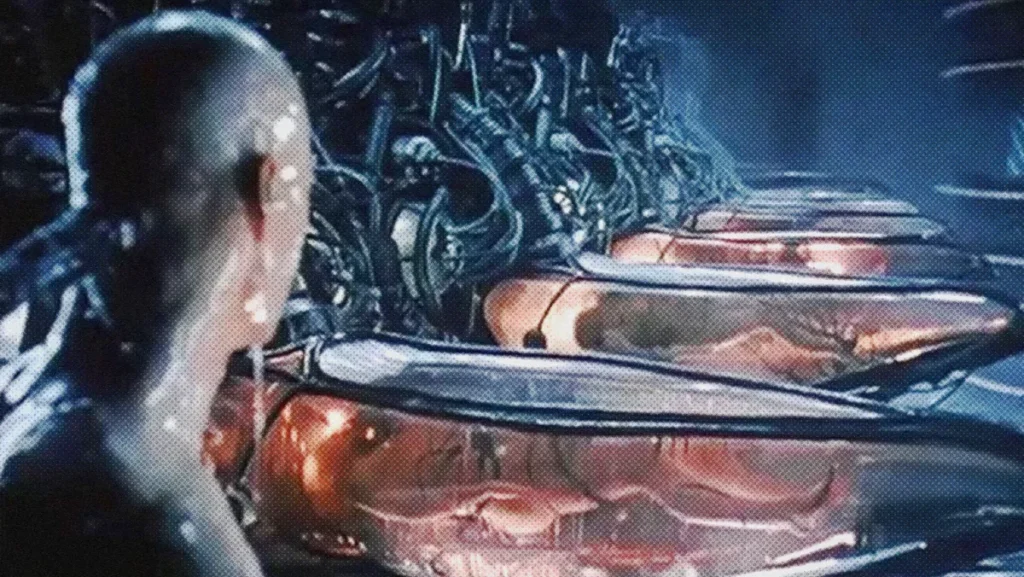
🧫 What if living tissue could act like a computer? That’s exactly what a scientist just tested, and the results are wild. It’s called neuromorphic computing, and it means your body can actually store information and solve problems. In one test, it even outperformed a basic computer model on complex equations. Maybe the future of computing is just humans linked together in conductive pods.
🫡 Who wants to be a Chief AI Officer? Turns out, just about everybody. Companies are suddenly scrambling to hire Chief AI Officers, the newest exec with a fancy title and vague job description. Their main job is simple in theory: turn all that expensive AI into actual profit. But companies aren’t even sure what skills the job requires or who should report to whom. Welcome to the C-suite, where the titles are made up and responsibilities don’t matter.
😲 People are remembering things that never happened. It’s called source misattribution. This occurs when AI content slips past your brain’s source-checking system, creating vivid memories without real-world origins. A new study found AI chatbots create false memories in over 1/3 of interactions. Even worse, people are twice as confident in these fake memories as real ones. If we’re rewriting memories by accident, imagine what we could do on purpose.
🧑🚀 They don’t build things like they used to. NASA just rebooted Voyager 1, a zombie spacecraft launched 50 years ago. It’s primary thrusters died back in 2004, causing the probe to plummet through space at speeds of 38,000 mph. Miraculously engineers who were 15 billion miles away on Earth just managed to revive it, extending it’s mission far beyond the expected lifespan. Meanwhile, your new headphones fall apart within a year.

Content + AI agents
Box has launched new AI agents that plug directly into your documents, emails, and files. These agents instantly scan, organize, and summarize your messy enterprise content. No complex setup or prompts needed.
Why does this matter? Companies waste countless hours digging through disorganized files and flooded inboxes. Box AI agents cuts out the busywork, delivering key insights instantly. Founders and teams can now spend less time managing content and more time leveraging it.
What could your team build if you stop babysitting your data?
✍️ The school year is ending with a full-blown AI scandal. The biggest controversy on campus isn’t cheating – it’s hypocrisy. A student at Northeastern found out her professor used ChatGPT to write class materials for a course that banned students from doing the same. Now students are calling it out, demanding refunds, and roasting their instructors online. Guess academic integrity depends on who’s holding the prompt.
🧬 Doctors deliver life-saving custom gene therapy in record time. Usually gene-editing therapies take years; this team did it in just six months to save an infant. It’s the fastest personalized CRISPR fix ever, opening the door for rapid treatment of thousands of rare, deadly diseases. Turns out gene editing is basically autocorrect for your cells.