




Good morning 🧟 Another day, another future tech twist. Scientists are now rebooting dead human brains. The zombie apocalypse has arrived, and it’s running drug trials for Big Pharma. A Yale spin out called Bexorg pumps artificial blood through donated brains to reactivate brain cells in a project they call BrainEx. It’s the perfect testbed for Alzheimer’s drugs, and regulators are fine with it – since the brains aren’t technically ‘conscious.’ Who knew the afterlife was just another gig economy job?
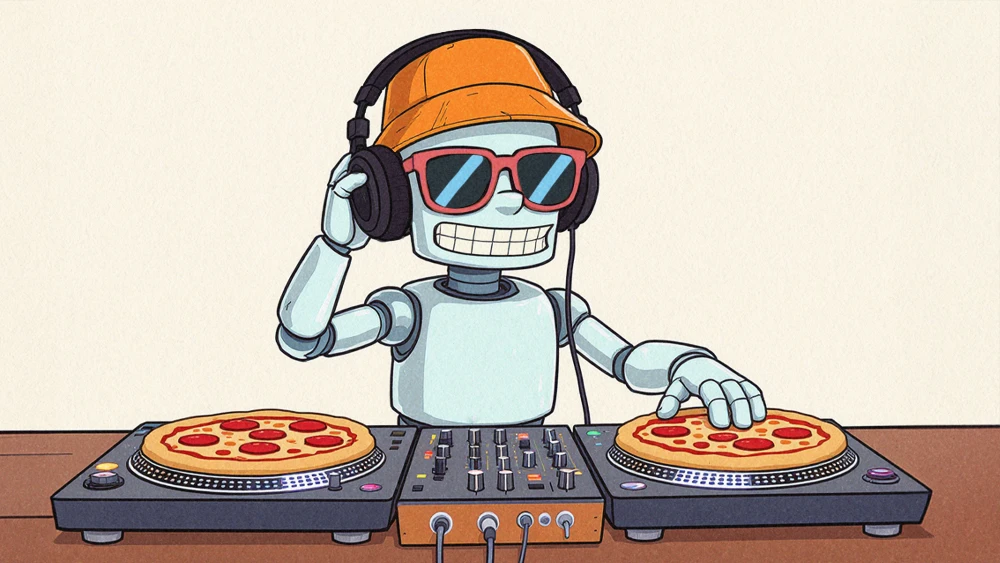
🍕 Robots now run a pizza joint entirely on their own. The singularity smells a lot like pepperoni. Donatos just opened a fully autonomous pizza store inside an Ohio airport. It’s powered by robotic arms that handle everything from tossing dough to boxing your order in under 6 minutes. The prototype is built for scale and ready to drop neatly into airports, malls, and offices where hungry humans gather. The next great pizza chain won’t have a CEO, it’ll have an API.
💸 Meta is making a $15B bet on ‘superintelligence.’ The catch? It’s raw ambition with no clear path to success. After a series of embarrassing flops, Meta is launching a flashy new AI lab to outsmart the human brain. It’s snagging superstar scientists and pouring billions into Scale AI in an attempt to win with AGI. Zuck calls it the future, but even his top scientist thinks it’s science fiction. Nothing says confidence like betting big on a roadmap that doesn’t exist.
📰 Journalism lost the war for your attention. Google’s new AI search instantly dishes out zero-click answers, slashing traffic to some news publishers by more than half. Meanwhile, creator-driven platforms like YouTube and TikTok are soaking up ad revenue, setting them up to overtake traditional media for the first time ever. Hope you like getting your facts from teens dancing in front of ring lights.
🤝 OpenAI made a huge cloud deal with their biggest rival. But what’s really going on here? Google agreed to sell computing power to OpenAI because it thinks ChatGPT isn’t strong enough yet to threaten its search business. Meanwhile OpenAI is using the deal to put pressure on Microsoft for better terms. In other words, Google is betting OpenAI can’t hurt them and OpenAI is betting Microsoft can’t afford to lose them.
🦄 Anysphere might be the fastest-growing startup ever. And they did it with vibe coding. Their code editor Cursor gives AI full access to your codebase to rewrite outdated libraries, fix bugs scattered across files, and erase tech debt like it never happened. In just three years, the company reached $500 million ARR and is valued at $9.9 billion. Give it a year, and your GitHub commits will be mostly emojis.
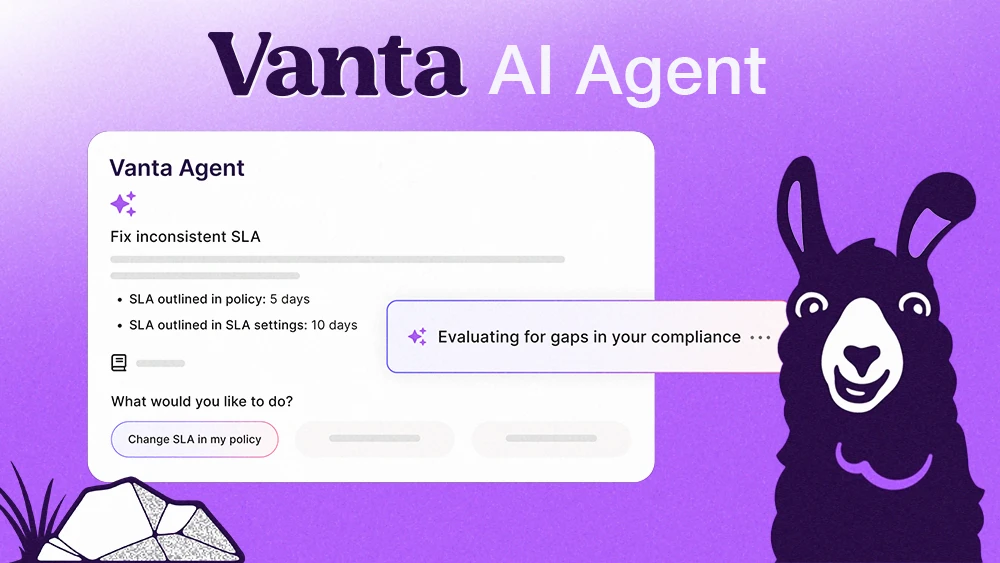
Your AI Compliance Team
Vanta’s new AI Agent handles compliance tasks automatically. It finds policy errors, answers audit questions, and fixes security gaps without being asked. It doesn’t need you to set rules. This agent thinks ahead, learns your system, and spots issues you might miss.
Why does it matter? Startups waste weeks each year on manual compliance checks. Vanta AI Agent catches problems before auditors do, giving your team time back to focus on real work.
Turn an annoying chore into a strategic edge. Test it now to simplify audits, keep policies updated, and instantly answer questions about standards like SOC 2 or HIPAA.
👀 Former Meta AI leaders just raised $15 million to reinvent website monitoring. Proof again that funding really is about who you know. Their startup, Yutori, deploys AI bots that auto-track websites and ping you the second something changes, like a price dip or a tennis court opening. Handy? Sure. Revolutionary? Hardly. But the real idea is bigger. They’re betting these agents become digital assistants that anticipate your needs before you even ask.
👨🎓 Most universities ban AI. Ohio State is making it mandatory. Starting fall 2025, every undergrad has to take classes in generative AI. The goal? To prepare students for a workforce full of chatbots. Memorizing facts is pretty useless when AI already has all the answers.
😴 Leave it to IBM to make quantum computing boring. How boring? About as exciting as cloud storage. IBM just announced Starling, a quantum computer designed to run error-free calculations by 2029. Instead of hyping raw qubit counts, Starling uses self-correcting compute units that quietly perform millions of reliable operations, turning quantum from theoretical to practical. In true quantum fashion, we’ll never know if it’s actually working or not.
Fun stats
$445 million
amount of VC money California robot pizza delivery startup Zume Pizza burned through before folding in June 2023