



Happy Friday 👋 VCs are making massive bets on braintech. Neuralink just raised $650 million, and competitors like Science Corp and Paradromics are close behind. With funding set to hit $1.4 billion this year, the message is clear: BCI is becoming the next consumer platform. It starts with brain implants. Give it five years and you’ll pick up your BCI chip at a mall kiosk.
🔮 Bold prediction: Jony Ive is building a non-invasive BCI powered by personal AI.
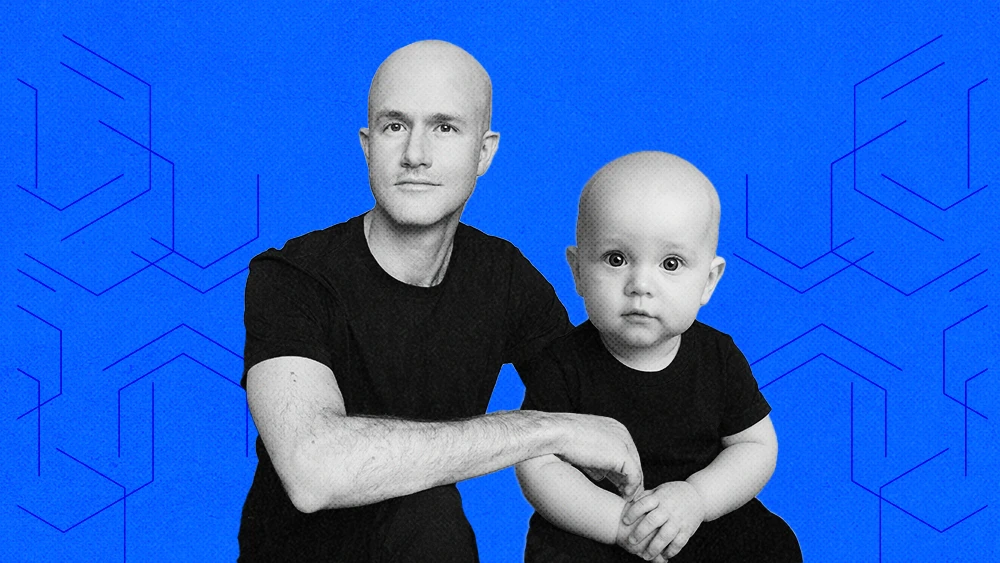
👶 A crypto billionaire wants to fund CRISPR babies. Brian Armstrong, the CEO of Coinbase, just backed a startup that edits human embryos. His vision? Use CRISPR to tweak DNA at the earliest stage and build a business around it. This isn’t about curing adult diseases. It’s about rewriting genetic code before life even begins. It doesn’t matter that most countries ban the practice. If this goes anything like crypto, the first gene-edited baby will be born in the Bahamas with a Series A.
⚖️ AI copyright law is being written in real time – and your posts are part of it. X just updated its terms to stop AI models from training on its content. Platforms now treat posts, comments, and conversations as private property. Reddit sold its data to Google. The New York Times cut a deal with Amazon. Content that used to be free is getting licensed, priced, and locked down. Your personal brand is becoming someone else’s training data.
🥇 Everyone loves a good founder story. A six-person startup just built a $6 million AI company without funding. Arcads reached $1 million revenue per employee by deploying 100+ AI agents that handle everything from ad creative to competitor research. Their tool sells itself, customers scale digital products rapidly, and they just added another million in ARR in one month. This isn’t a growth hack. It’s a blueprint.
📦 Amazon is training humanoid robots to deliver packages. The bots already dominate warehouse automation. Yet moving packages from vans to doorsteps at scale remains tough. Drones help occasionally, but they’re limited. Humanoid robots might finally crack the last-mile puzzle. The real turning point comes when a robot shows up at your door and nobody even notices.
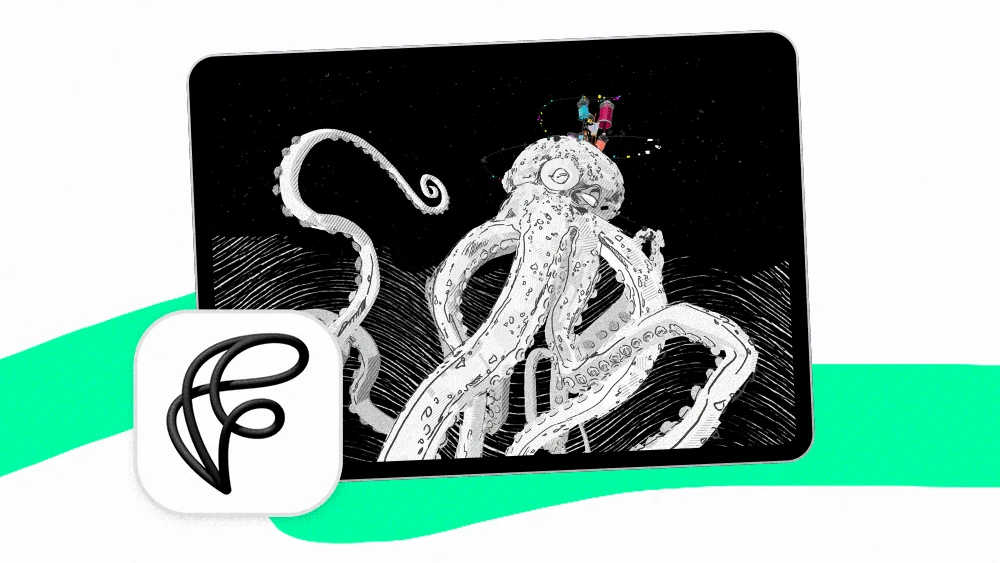
Draw in 3D
Feather is an iPad app that lets you sketch in 3D using pressure-sensitive brushes. It works a lot like other digital drawing tools but adds depth. You can rotate the canvas, move it around, and bring your art to life in full 3D.
Why you’ll love it: Turning 2D sketches into 3D models used to mean learning complicated software. Feather makes it intuitive and playful. Artists can draw in space with Apple Pencil and export their sketches as 3D files, all without leaving the app or needing an internet connection.
It just won an Apple Design Award for a reason. This is what drawing looks like in the future.
🙆♀️ FDA clears AI tool that can spot breast cancer years before it shows up. Clairity’s newly approved tool analyzes subtle patterns in routine mammograms to predict 5 year cancer risk, even when scans appear completely normal. Unlike traditional models that rely on age or family history, this one reads the image itself. Is this the beginning of predictive prevention, or a malpractice hallucination waiting to happen?
💋 There are apps that sell fake intimacy by the prompt. The lips don’t sync, and the hugs are broken, but people still cry. Apps like Boom.AI and DreamVid turn two photos into glitchy simulations of affection. Users can generate everything from bikini dances to awkward wedding proposals. The tech is clumsy, the results are weird, but somehow it hits on something real. If you think it’s disturbing now, wait until it moans your name.
🔬 A new Harvard report warns that America’s tech lead is slipping. It ranks the US and China across AI, biotech, semiconductors, space, and quantum, and the results are a wake-up call. America still leads – but barely. China is closest in biotech. It’s strengths in pharma manufacturing, talent, and state-backed strategy put it within striking distance. But quantum isn’t far behxind. While the US argues over the reality of science, China is pouring money into the next big win.
Fun stats
$69.7 billion
amount VCs poured into North-American based AI and machine learning startups in the last 3 months
ᕯ 1,528 deals made [TechCrunch]
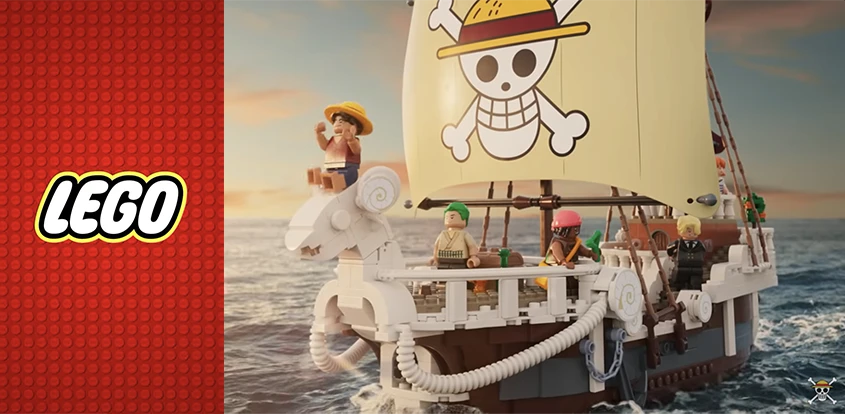
For your inner child: LEGO One Piece is real!